From backyard experiment to global sport: the rise of padel
Padel’s origins are almost accidental, which perhaps explains its enduring charm. It is currently one of the fastest-growing sports in the world, played by millions across Europe, Latin America, the Middle East and beyond. New courts are opening every year, professional tournaments attract growing audiences and participation continues to rise. Yet, the beginnings of padel were far more modest. What started as a practical solution on a private property has developed into a truly international sport.
Where It All Began
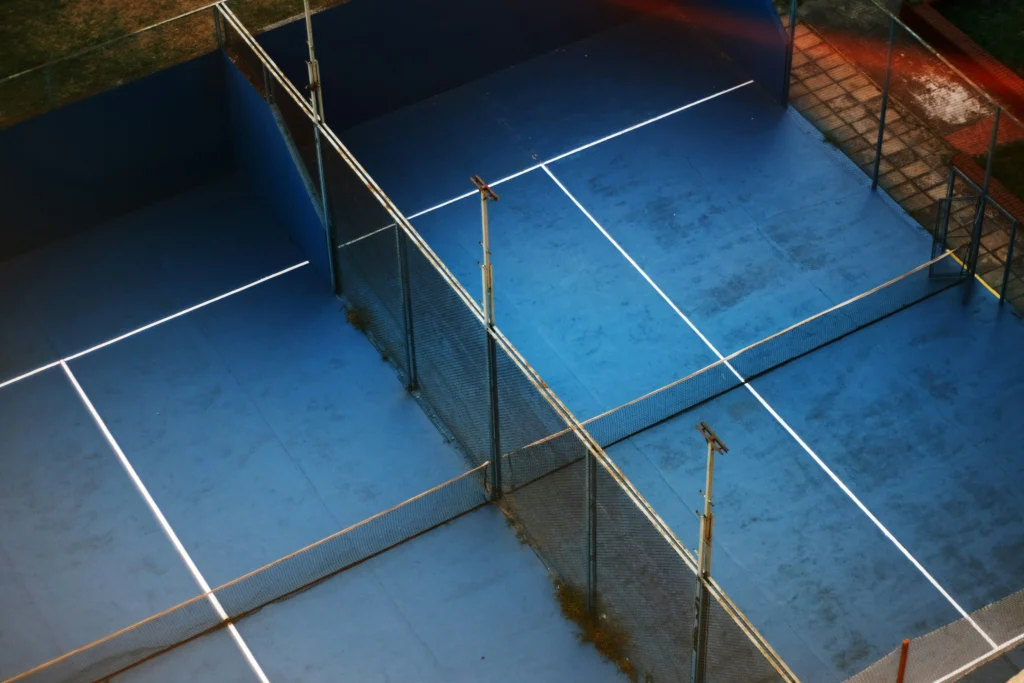
Padel was first created in Acapulco by Enrique Corcuera. He wanted to adapt tennis to fit a smaller area at his home, so he enclosed the court with walls. In doing so, he unintentionally created a new sport with its own rhythm and identity. Those walls became one of padel’s defining features. Instead of ending points, they extended them. Defence could instantly become attack and rallies became more tactical and dynamic. What began as improvisation soon became innovation.
Growth in Spain and Argentina
Padel later spread to Spain and Argentina, where it truly began to flourish. In Argentina, the sport developed a strong competitive culture. Clubs expanded quickly, players refined tactics and standards rose. Argentina became one of the early powerhouses of the game. In Spain, padel found both competitive and social success. Clubs became busy community spaces where people could play regularly, improve steadily and enjoy the sport with friends. Its accessible nature helped it appeal to players of different ages and fitness levels. This combination of competitiveness and social appeal proved powerful.
Padel has also benefited from changing habits. Many people now look for sports that fit busy schedules, offer social interaction and do not require years of technical training before becoming enjoyable. Padel answers all three needs. A match can be played in under ninety minutes, organised quickly through apps or club groups and enjoyed by players of mixed abilities. That flexibility has made it particularly attractive to working professionals, families and younger players looking for something active but social.
Why Padel Grew So Quickly
Padel offers something many sports struggle to combine: it is easy to start but difficult to master. Beginners can enjoy rallies quickly, even with limited experience. At the same time, more advanced players continue to find depth through tactics, positioning and teamwork. It is also highly social. Because most games are doubles, padel naturally creates interaction and shared enjoyment. Players often stay for food, drinks and conversation after matches, helping clubs build strong communities. The smaller court also lowers some physical barriers. Players do not need the same explosive movement or stamina required in other racket sports such as tennis, making padel attractive to a broader audience.
Much of padel’s growth has happened through local clubs rather than television exposure alone. Unlike some sports that depend heavily on elite competition for attention, padel spreads through experience. A friend invites a friend, one game turns into weekly sessions and communities grow organically. This club culture has been central to the sport’s success. Facilities often create leagues, coaching sessions, social events and beginner programmes that keep players engaged long after their first visit.
The Professional Era
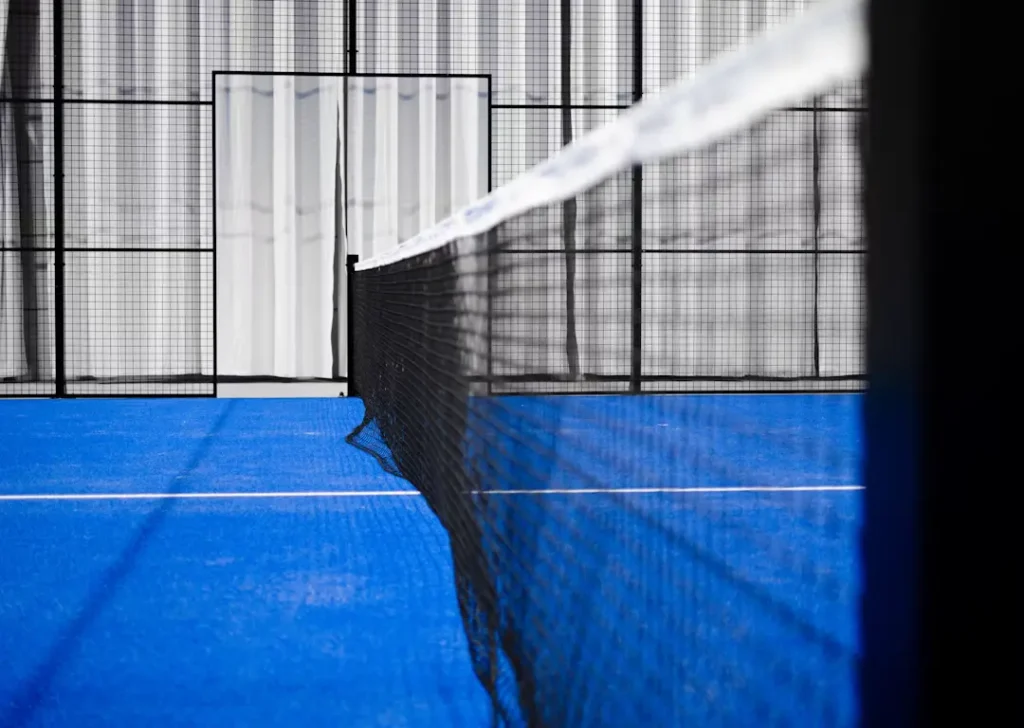
As the sport expanded, professional tours helped bring structure and visibility. Competitions such as the World Padel Tour introduced rankings, sponsorship, media coverage and star players. This gave padel greater legitimacy on the world stage. Fans could follow elite competition, while new players had role models to watch and learn from. Importantly, professional growth did not replace grassroots participation. Local clubs remained the heartbeat of the sport.
New Markets and Global Expansion
In recent years, padel has expanded rapidly into countries such as the United Kingdom, Sweden, Italy, the UAE and Saudi Arabia. Investors have recognised the commercial opportunity, while players have embraced the game’s accessibility. Already built tennis courts can often be converted into multiple padel courts, making it attractive for clubs and facilities. In urban areas where space is limited, this matters.
Final Thoughts
Padel’s rise has not happened by accident. It has grown because it offers what many modern players want: fun, fitness, competition and connection in one sport. From a backyard experiment in Mexico to a global movement, padel’s journey has already been remarkable and, by most measures, it is still only getting started.
Padel’s next stage will likely depend on balancing expansion with quality. More courts, better coaching, stronger junior pathways and clear competition structures will help turn current momentum into lasting success. The popularity surge has opened the door. What happens next will decide how large the sport can truly become.