Padel and tennis may share similar origins but they have evolved into two very different sports. Both involve rackets, footwork, timing and tactical awareness, yet the experience of playing each game is distinct from the first rally. Tennis is built around open space, power and individual control. Padel is centred on angles, teamwork and patience. While the foundations may look familiar, the demands of each sport are unique.
Court Size and Style of Play
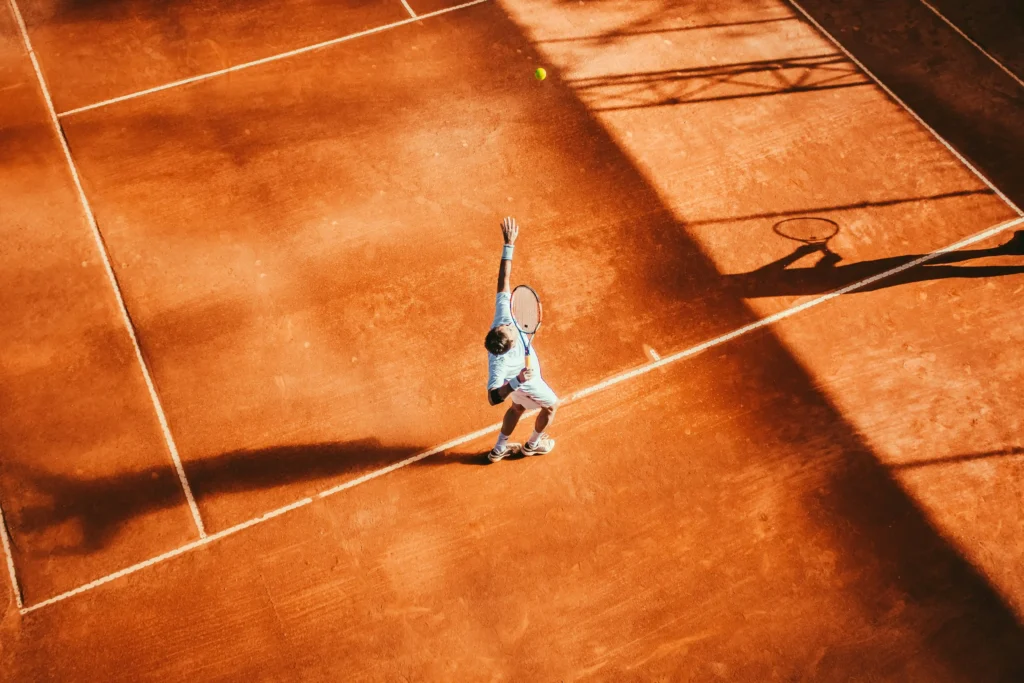
One of the clearest differences between the two sports is the court itself. Tennis is played on a large open court, giving players room to use pace, spin and movement to dominate rallies. Powerful serves, aggressive returns and deep groundstrokes often decide points quickly. Space is something to control and exploit.
Padel, by contrast, is played on a smaller enclosed court surrounded by glass walls and fencing. Those walls are not simply barriers—they remain part of the game. A ball that would be out of play in tennis may rebound back into the rally in padel, keeping the point alive and forcing players to think one step ahead. This creates a very different rhythm. Tennis can be sharp and explosive, with short points decided in seconds. Padel tends to involve longer exchanges where players build pressure gradually through positioning and clever shot selection.
Another reason padel has expanded so quickly is its accessibility. Tennis can take time to enjoy fully. New players often need patience before rallies become consistent, particularly when learning to serve and control power. Padel offers a faster route into the game. Because the court is smaller and the serve is simpler, beginners can sustain rallies much earlier and feel involved from the first session. That immediate enjoyment matters. Players are more likely to return when they feel progress quickly and padel provides that early reward without removing long-term challenge.
Power vs Patience
Tennis often rewards attacking intent. A strong serve can win free points, while an aggressive forehand can instantly shift momentum. Matches can change through short bursts of dominance, where one player imposes their quality quickly.
Padel rewards control and consistency. Rather than forcing winners early, players often use lobs, controlled volleys, and well-placed shots to move opponents out of position. The best padel players know when to slow the game down, when to absorb pressure and when to strike. Patience is not passive in padel—it is strategic. The point is often won before the finishing shot is played. Although padel is often described as easier than tennis, that can be misleading. The physical demands are simply different. Tennis places a premium on speed, endurance and explosive movement across larger distances. Padel asks for repeated reactions, short bursts of acceleration, balance and constant movement in a confined space. At higher levels, padel becomes extremely intense. Quick hands at the net, rapid transitions and repeated directional changes make it a serious physical challenge in its own right.
Singles vs Teamwork
Tennis is widely known for singles competition, where one player carries full responsibility for the result. Physical fitness, mental strength and individual shot-making are at the centre of success. Even in doubles, standout individuals can often control key moments.
Padel is overwhelmingly played in doubles, making teamwork one of the most important parts of the sport. Partners must move together, communicate constantly and understand each other’s positioning. Good chemistry can often overcome superior individual ability. This social side is one reason padel has become so popular. It combines competition with collaboration, creating an experience that feels both challenging and enjoyable.
Equipment and Technique
The rackets themselves also shape how each sport is played. Tennis rackets are strung and designed to generate power and spin. They reward fast swings and clean ball striking. Padel rackets have a solid face with holes, offering more control than raw power. Touch, placement and timing become more valuable. Because of this, padel often feels more tactical and less reliant on brute force.
Why Players Enjoy Both
Many tennis players are drawn to padel because it offers familiar racket skills in a fresh format. Many padel players admire tennis for its athletic demands and tradition. The crossover between the two sports continues to grow because each offers something different. Rather than competing directly, tennis and padel often complement each other.
Tennis offers tradition, elite athleticism and iconic global tournaments. Padel offers accessibility, social energy and fast-growing participation. Many clubs now include both sports because they appeal to overlapping but slightly different audiences. For players, that is good news. It means more choice, more ways to stay active and more ways to enjoy racket sports.
Final Thoughts
Neither sport is better than the other—they simply reward different qualities. Tennis rewards power, athleticism and individual authority. Padel rewards teamwork, strategy and court awareness. That is why both continue to thrive. They may share the same roots but they have grown into very different games.