The next frontier: the role of technology in shaping padel
Padel has grown quickly through strong club culture, accessible gameplay and social appeal. But the next stage of its development may be driven by something less visible than courts and tournaments: technology. From smart equipment to advanced coaching tools, technology is beginning to reshape how padel is played, taught, managed and watched. If used well, it could help take the sport to an even wider audience.
Smarter Equipment
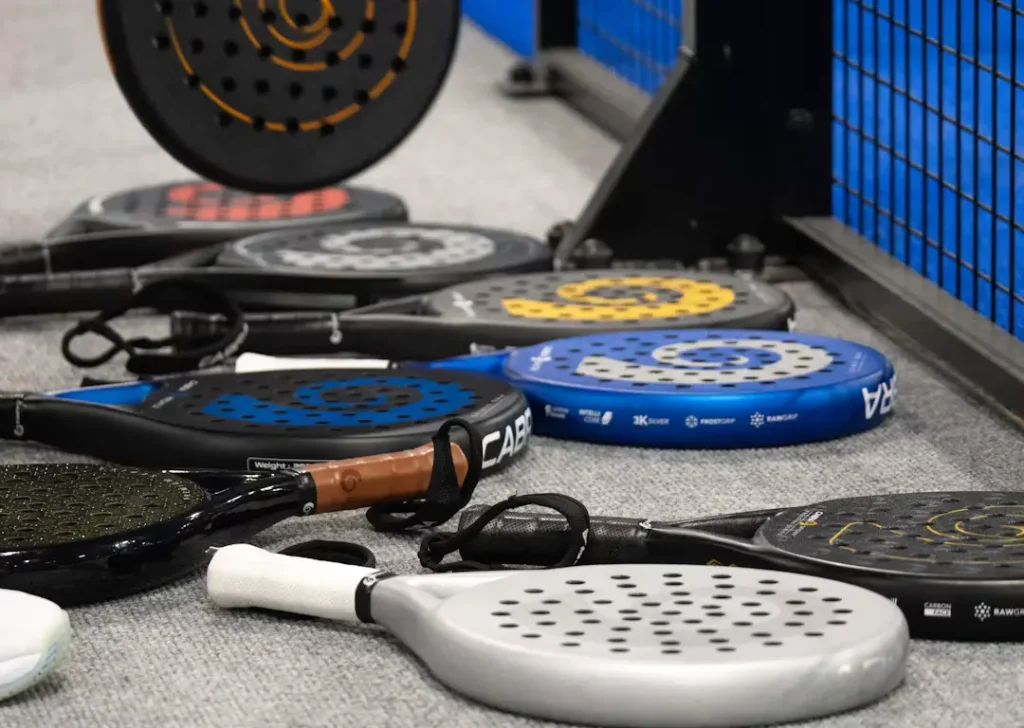
Modern sport is increasingly data-driven and padel is following the same path. Sensor-enabled rackets and wearable devices can now track swing speed, movement, impact point and shot patterns. For players, this creates clearer feedback. Instead of relying only on feel, they can identify habits, measure progress and improve specific areas of their game. For beginners, this can accelerate learning. For experienced players, it can sharpen performance.
Coaching and Performance Analysis
Technology is also changing coaching. Video platforms, motion tracking and AI-based analysis allow players to review matches in far more detail than before. Movement patterns, positioning errors, shot choices and tactical habits can all be studied after a session. This helps coaches give more precise guidance and allows players to improve with greater purpose. Rather than simply hearing what went wrong, players can see it.
Technology is no longer reserved for professionals. One of the most interesting developments in sport is how performance tools are reaching ordinary players. In padel, that could mean players using simple statistics to understand strengths and weaknesses after a weekly match. Shot accuracy, movement patterns, rally length and consistency data can help recreational players improve faster while making training more engaging.
Smart Clubs and Better Experiences
Many modern padel centres now use online booking systems, digital scoreboards, membership apps and player matching platforms. This makes the sport easier to access and more convenient to enjoy. Players can reserve courts in seconds, join competitive games at the right level and track results over time. For clubs, technology also improves operations through scheduling, payments, customer management and community engagement.
Digital coaching tools may also make lessons more effective. Instead of relying only on verbal feedback, coaches can use instant video clips, movement overlays and simple analytics to explain positioning or technique. This can shorten the learning curve for newer players and give experienced players clearer areas to improve. Good coaching will always depend on human understanding but better tools can make that understanding easier to deliver.
Broadcasting and Fan Growth
Padel is exciting to watch but new viewers can sometimes miss the tactical detail that makes it special. Technology can solve that through better broadcasting tools. Live statistics, multiple camera angles, shot tracking and on-screen graphics can help fans understand rallies and follow momentum. Improved streaming quality also makes the sport easier to access globally. As broadcasts become stronger, fan interest is likely to grow.
As padel becomes more data-driven and easier to broadcast, it also becomes more attractive commercially. Better viewing experiences can increase audience numbers, which in turn attracts sponsors, brands and media investment. That commercial growth can then fund better facilities, larger tournaments and stronger development programmes.
Balancing Innovation with Simplicity
Despite the benefits, padel must protect what made it successful in the first place. It is easy to start, social to play and enjoyable without needing complex systems or expensive equipment. Technology should support that experience, not complicate it. The best innovations are often the ones players barely notice.
What Comes Next
Future developments may include AI coaching assistants, connected community leagues, enhanced broadcast graphics and smarter training environments. As participation rises, digital tools will likely become a bigger part of everyday padel life.
The future of padel is not about replacing tradition with technology. It is about combining both. Used well, technology can help players improve faster, clubs operate better and fans engage more deeply with the sport. Padel’s next frontier may be digital—but its heart will always remain on the court. Technology should remain in service of the sport, not the centre of it. Players come for the game itself—the movement, the competition, the enjoyment and the community. If innovation supports those things, padel will benefit greatly. If it distracts from them, it risks trying to solve problems nobody had.